Why the brain metaphor helps, then quickly misleads
Calling neural networks “brain-like” helps at first because it gives you a handle on an abstract idea: lots of simple units passing signals forward, with patterns emerging from their connections. If you’ve ever learned a skill through practice, “the system improves with feedback” also feels familiar.
The metaphor starts to mislead when people assume the similarity goes deeper. An artificial “neuron” is a tiny math operation, not a living cell with chemistry, timing, and many kinds of signals. Today’s models also don’t learn continuously from everyday life; they usually train in large, expensive batches on curated data, then get deployed mostly unchanged.
Brains run on about 20 watts and fail gracefully; models often need massive compute and can break in brittle, surprising ways. Those differences matter more than the name.
What an artificial “neuron” actually does in practice
Picture a spreadsheet formula: take a few input numbers, multiply each by a weight, add them up, and run the result through a squashing function. That’s close to what an artificial “neuron” does. Each input might be a pixel value, a word-related feature, or the output of many other units. The weights are just adjustable knobs that say how much each input should matter.
On its own, that unit is not intelligent or meaningful. It doesn’t “recognize” a face or “understand” a sentence. It simply produces a number. What people experience as recognition comes from stacking millions or billions of these units into layers so that later layers compute more abstract combinations of earlier ones.
The practical constraint is scale: getting useful behavior typically requires huge numbers of units, careful tuning, and lots of compute, which makes training costly and pushes development toward organizations that can afford it.
How learning happens: backprop versus biological learning rules
When a model “learns,” it usually means backpropagation: the system makes a prediction, compares it to a target answer, then computes how each weight contributed to the error and nudges weights to reduce that error next time. The key detail is that the correction signal is coordinated across many layers using the model’s internal math. That makes learning efficient in software, but it also ties training to large, well-defined objectives, lots of examples, and long runs of trial-and-adjust that can take days or weeks on expensive hardware.
Brains don’t appear to do backprop in this clean, centralized way. Neurons communicate with spikes, and changes happen through local chemistry at synapses, influenced by timing and by broader signals like dopamine and other neuromodulators. Learning is more like many overlapping rules operating in parallel: some driven by immediate rewards, some by prediction and surprise, some by repetition and sleep-related consolidation.
Backprop is powerful but data- and compute-hungry, and it struggles with learning on the fly without “forgetting.” Biological learning is messier, slower per update, and harder to engineer—but it’s tightly integrated with ongoing behavior and continuous adaptation.
Training data vs lived experience: the embodiment gap
Think about how a child learns what “hot” means: not from a million labeled examples, but from seeing steam, feeling warmth near a stove, hearing warnings, and gradually linking all of that to avoiding pain. Most neural networks learn “hot” only as a statistical pattern in training data—words near other words, or pixels that correlate with certain labels. They can get impressively far without a body, but their knowledge is mostly about correlations in recorded human artifacts, not about acting in a world with consequences.
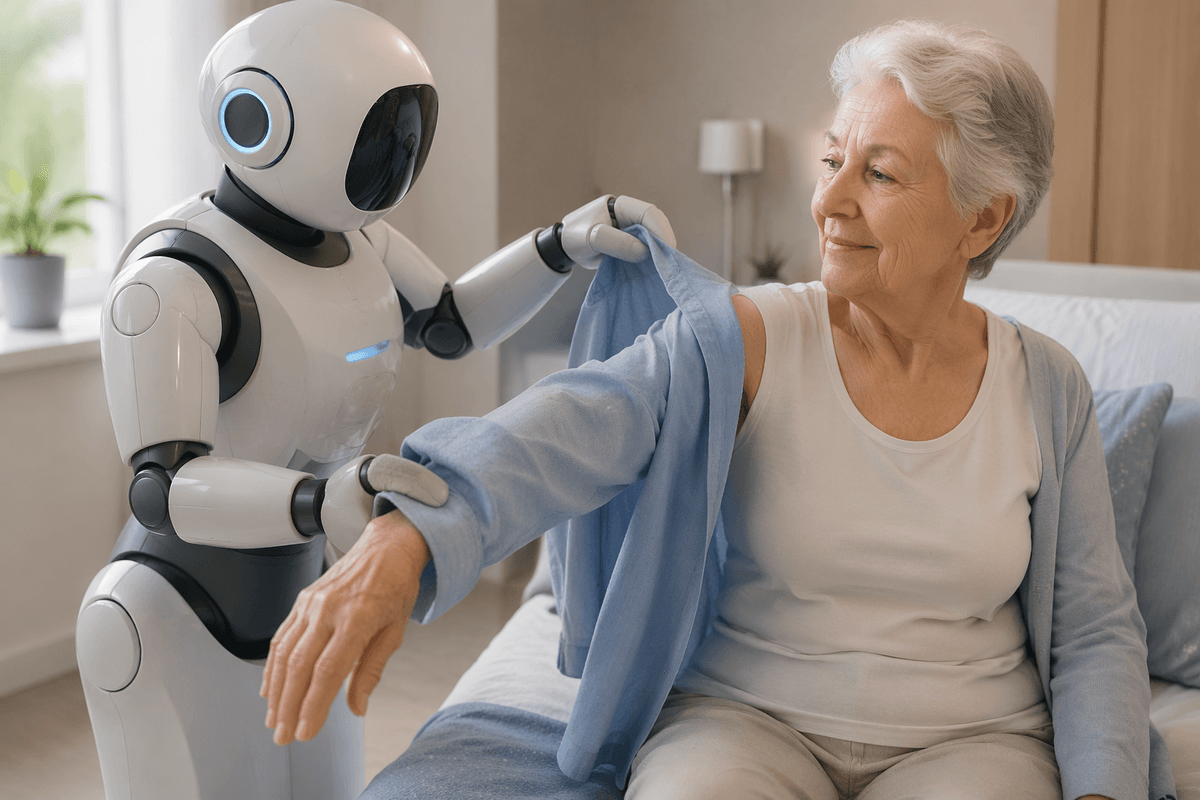
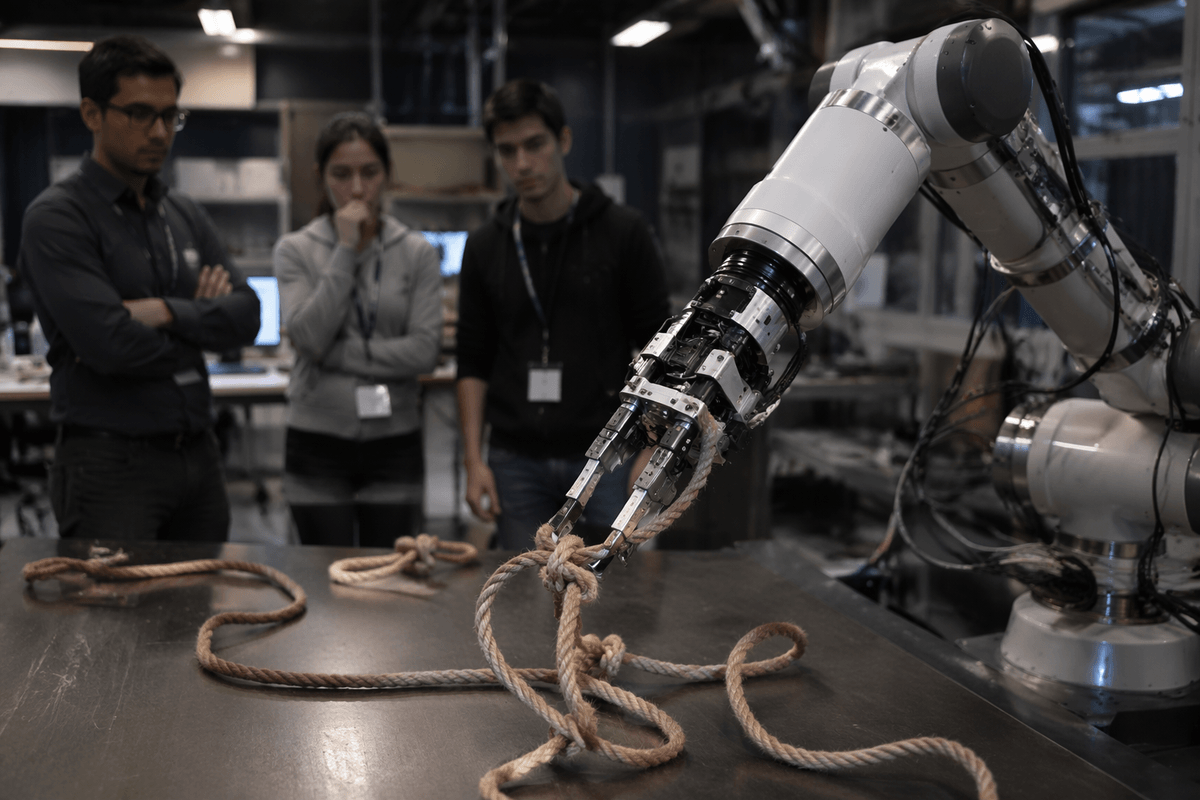
That embodiment gap shows up in practical ways. Models can describe how to tie a knot yet fail to plan hand movements, or they can write safety guidance while missing basic physical constraints. Closing the gap is possible, but it’s costly: robotics data is hard to collect, environments are messy, and real-world trial-and-error is slower, riskier, and harder to scale than scraping text and images.
Memory and time: why brains handle continuity differently
Notice how you can pick up a conversation after an interruption, remember what you were trying to do, and adjust based on how the last attempt went. Your brain carries a living stream of context: goals, recent events, habits, and a sense of “what usually happens next.” That continuity is supported by multiple memory systems working together—short-term focus, long-term knowledge, and ongoing updating as new experience arrives.
Most deployed neural networks don’t work that way. They typically have fixed weights after training, and “memory” during use is often just a temporary context window or an external store that can be searched, not a stable internal record that automatically reshapes the model. Getting real continuity—learning from today without wrecking yesterday—runs into issues like catastrophic forgetting, shifting data over time, and the cost of retraining and validation. It’s why many systems feel smart in a moment but inconsistent across weeks of real use.
Robustness, energy, and failure modes you can’t ignore

Think about the difference between a phone call with static and a dropped call. Brains usually degrade more like static: tired, distracted, or missing details, but still broadly functional. Many neural networks fail more like a drop: a small change in phrasing, lighting, or input format can push them into confident mistakes. In real deployments, that brittleness shows up as “works in the demo, breaks in the workflow,” especially when the environment shifts or users behave in ways the training data didn’t capture.
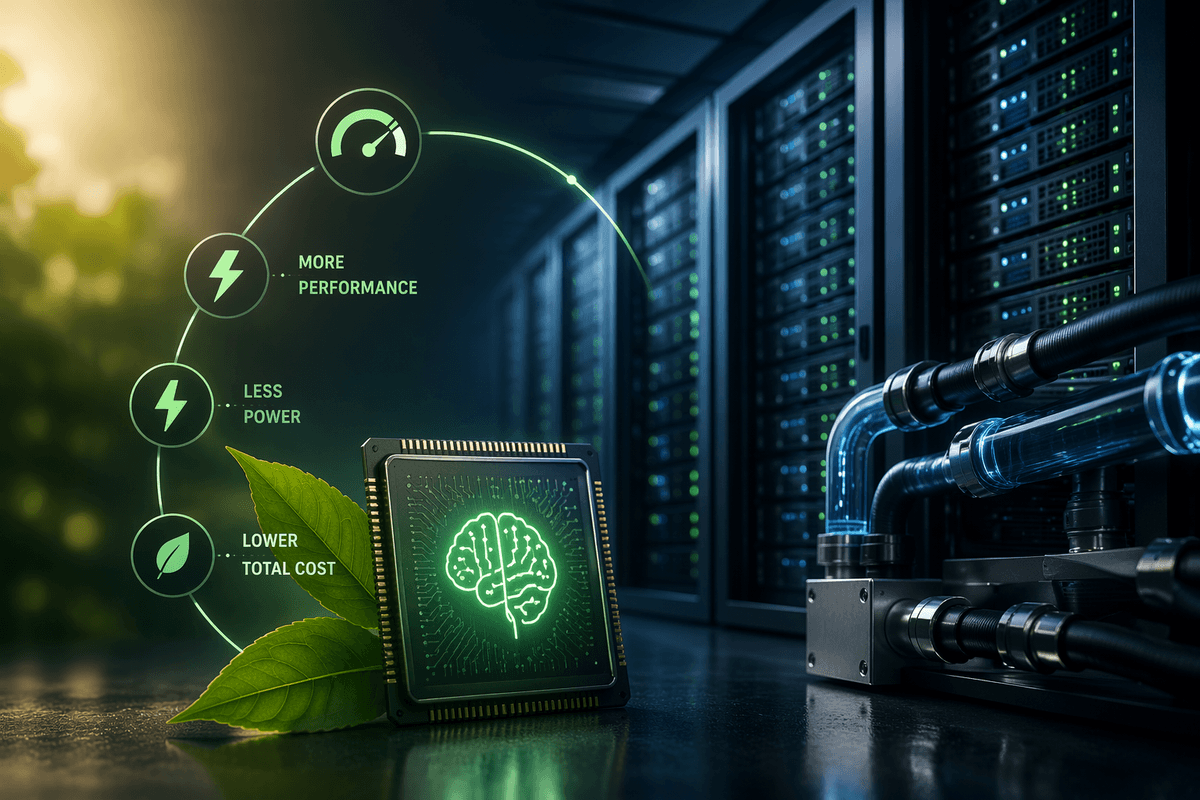
Energy is another place the metaphor breaks. Brains run continuously on roughly the power of a lightbulb, while training large models can require huge compute clusters and long runtimes, and even serving them at scale can be expensive. That cost shapes what gets built: models get compressed, quantized, or routed through smaller components, which can introduce new quality cliffs and debugging challenges.
Brains are noisy but self-maintaining; models can hallucinate details, amplify bias present in data, or become unreliable under adversarial inputs. Making them robust often means extra layers of testing, monitoring, and guardrails—work that is ongoing, not a one-time “training solved it” step.
So what should we expect from “brain-like” AI claims?
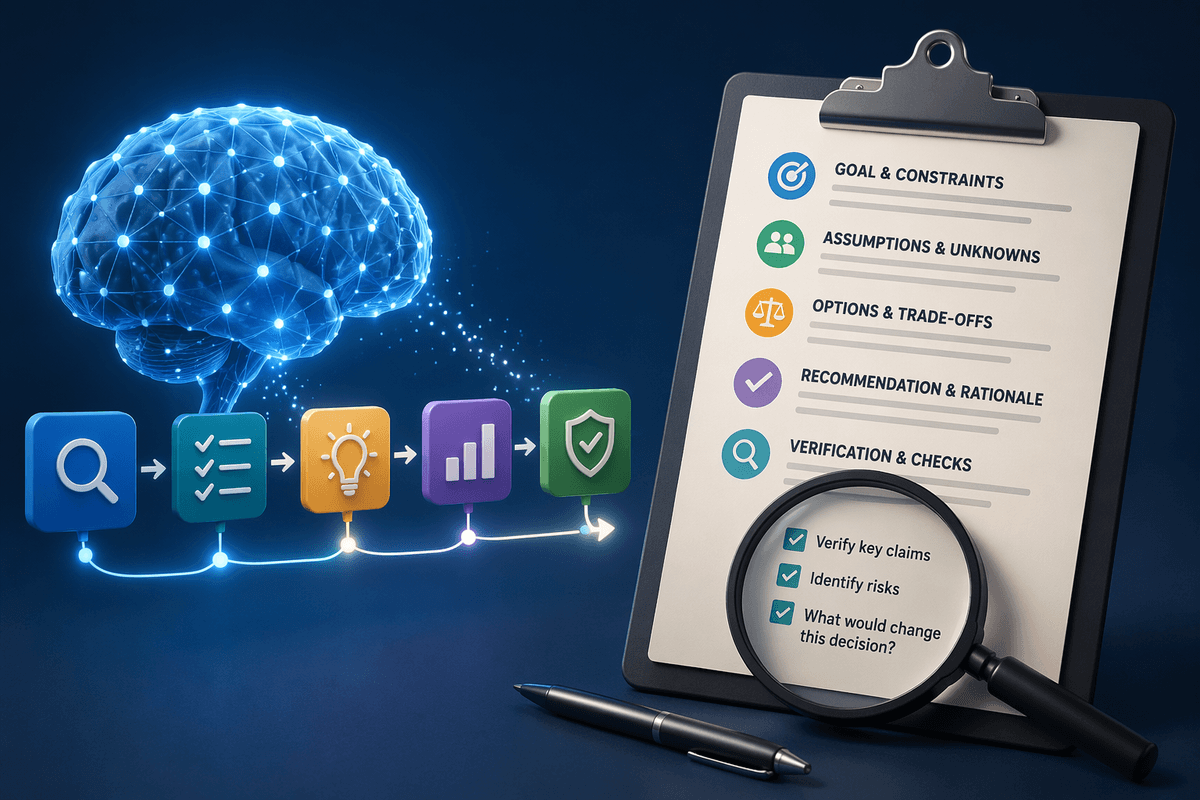
When someone says a system is “brain-like,” treat it as a loose architectural hint, not a promise of human-style learning, understanding, or resilience. Ask what kind of learning is actually happening: is it frozen weights plus prompts and retrieval, or will it keep improving safely from real use without costly retraining? Ask what “generalization” means in the claim: does it hold under messy inputs, new workflows, and shifting data, or only in benchmark conditions?
Also ask who pays the bill. If the capability depends on massive training runs, curated data pipelines, and continuous monitoring, the right mental model is closer to industrial software than a self-sustaining organism. Expect impressive pattern skill and fast iteration, but budget for brittleness, edge cases, and the ongoing cost of validation, updates, and guardrails.