Latest in this channel
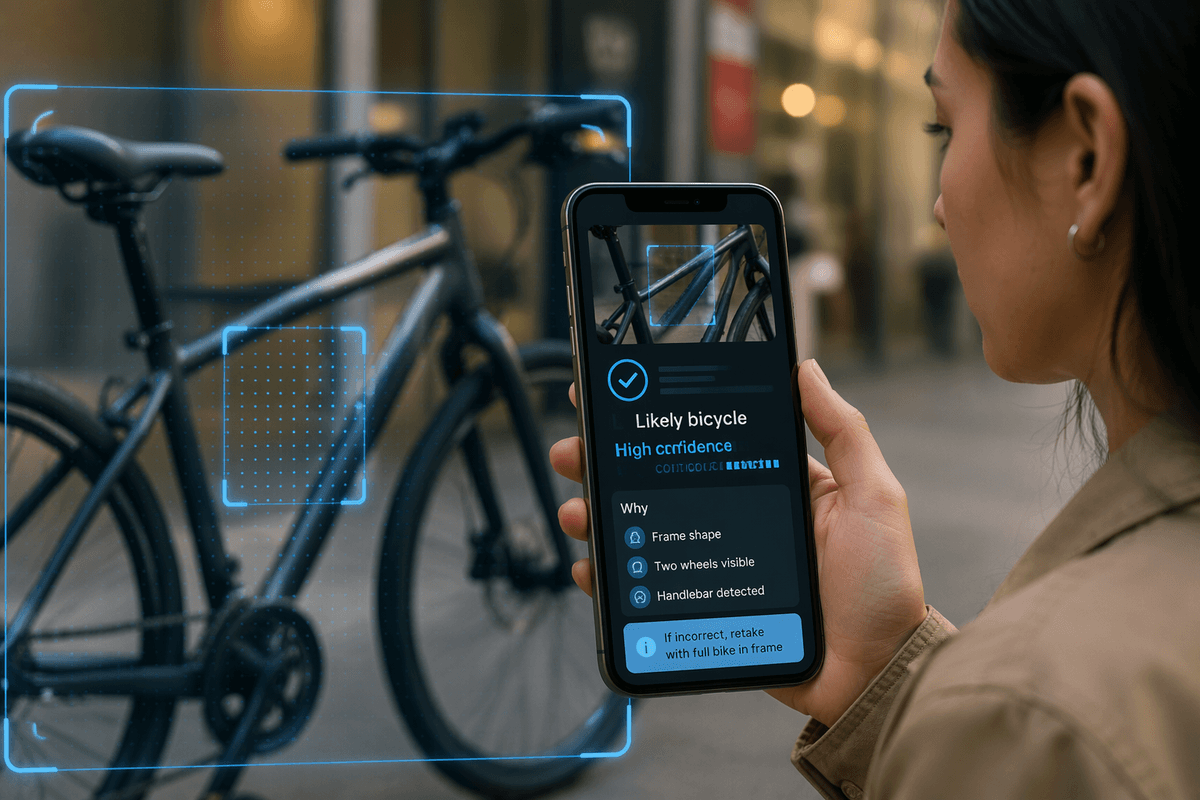
Making Computer Vision More Human
Learn how to make computer vision feel human in real products: define tasks, handle uncertainty, improve legibility, test fairness, and monitor drift.
By Gabrielle Bennett
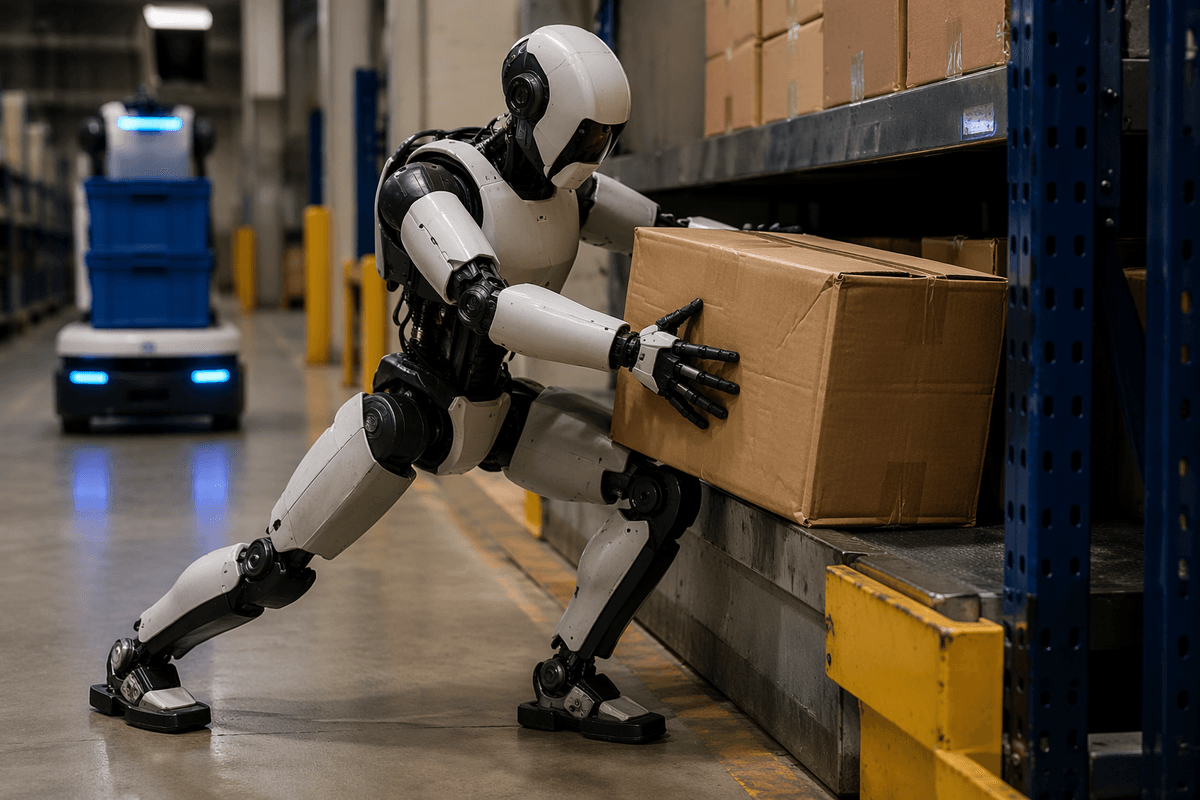
Whole-Body Robots Improve Object Handling
Whole-body robots improve object handling by using torso, base, and bracing contacts to prevent slips, recover from errors, and trade speed for reliability and safety.
By Juliana Daniel

Driverless AI Improves Autonomous Navigation
Learn how driverless AI improves autonomous navigation with better sensor fusion, data-driven training, and probabilistic planning—plus metrics to prove safety.
By Susan Kelly
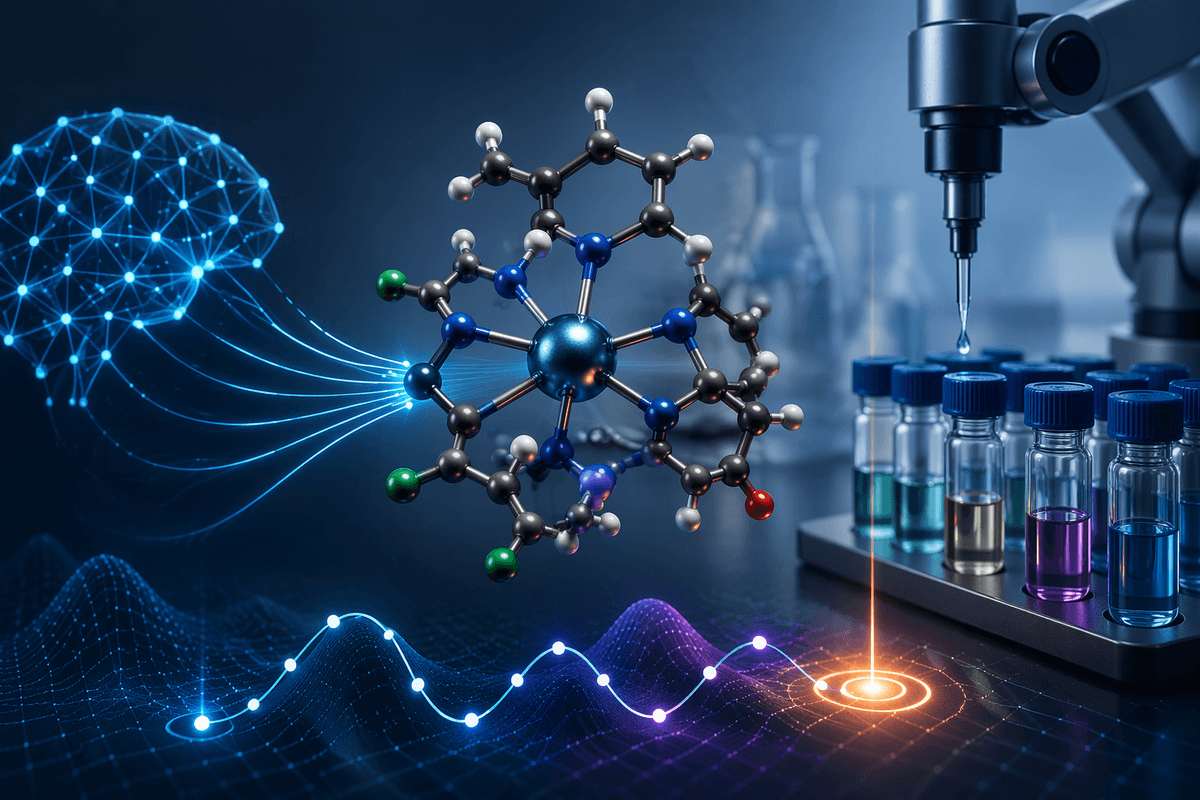
AI Speeds Transition Metal Discovery
Learn how AI speeds transition metal discovery by prioritizing candidates, improving data consistency, and using active learning loops to cut wasted synthesis and DFT runs.
By Aldrich Acheson

Privacy-Preserving AI Accelerates Secure Workloads
Learn how privacy-preserving AI enables secure workloads with TEEs, HE, FL, DP, and MPC—mapping exposure points, tradeoffs, and production patterns.
By Isabella Moss

One-Step Image Models Reduce Generation Time
Learn how one-step image models cut image generation latency versus multi-step diffusion, plus the real trade-offs in quality, control, and deployment cost.
By Vicky Louisa